
Your diesel engine is only as strong as its weakest component. Fuel injectors, turbos, and pistons are not just parts. They are the power trio behind every haul, climb, and kilometre. This article breaks down how they work, what happens when they fail, and why your entire engine’s health depends on understanding their function.
Your Engine’s Power Trio: Fuel Injectors, Turbos, and Pistons
How These Critical Diesel Components Keep Your Engine Running Smoothly
Diesel engines are workhorses. But beneath that rugged exterior lies a system of delicate interdependencies. Three components shoulder most of the burden: the fuel injectors, the turbocharger, and the pistons.
- Fuel Injectors: These act like the lungs of your engine. They do not just spray fuel. They deliver it with surgical precision, atomising diesel into fine mist at thousands of PSI. A worn injector disrupts this balance, resulting in poor combustion, black smoke, and rising EGTs (Exhaust Gas Temperatures).
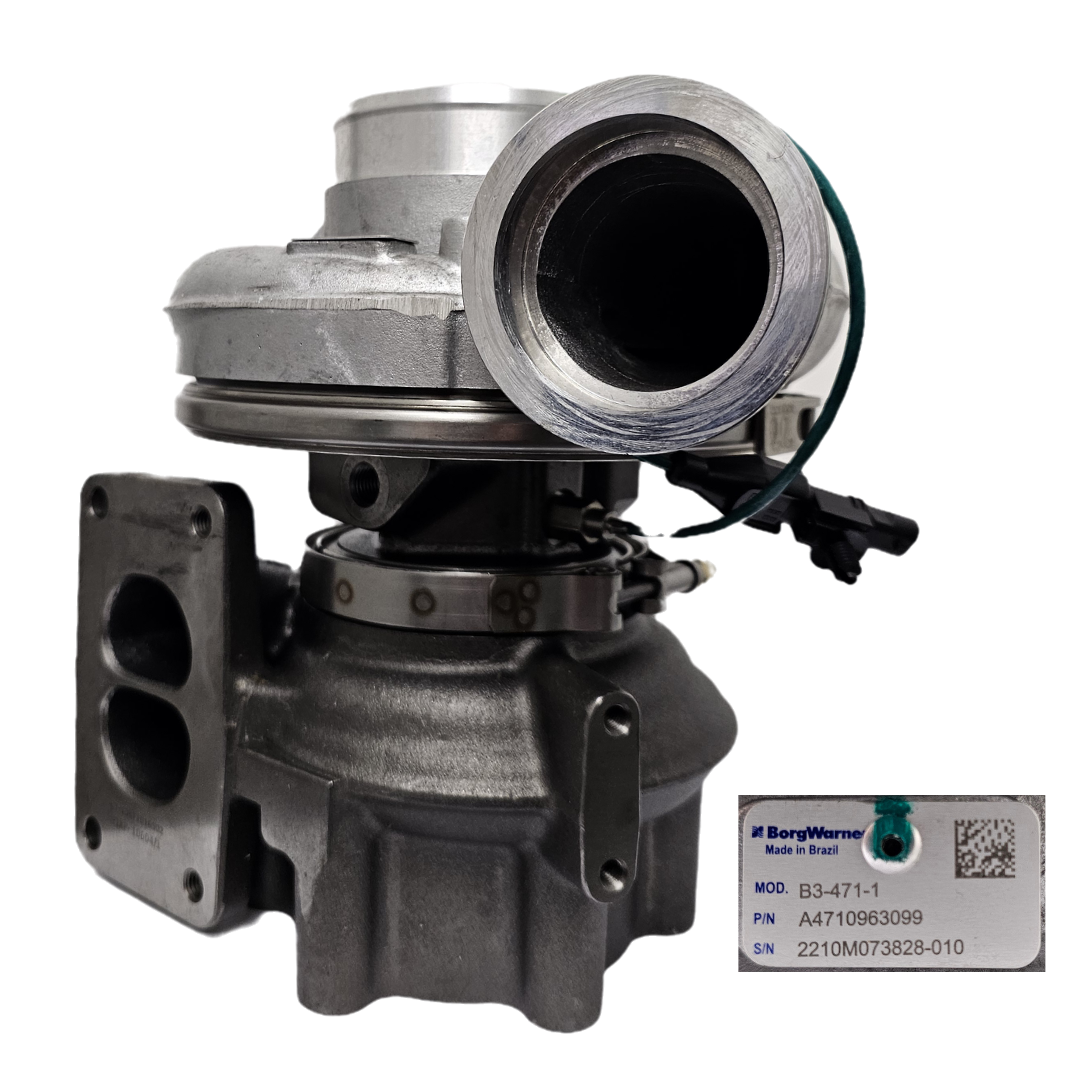
- Turbochargers: Think of the turbo as a power amplifier. It forces more air into the combustion chamber, letting your engine burn fuel more efficiently and produce greater power without increasing displacement. But turbos run hot. Even a small oil leak can cook the bearings and cause catastrophic failure.
- Pistons: These forged warriors take the brunt of every combustion cycle. Their rise and fall turns fuel into forward motion. Scored cylinder walls, cracked piston rings, or improper clearances cause compression loss, blow-by, or engine seizure.
Together, they drive your power, economy, and uptime. If one fails, the whole system falters.
Avoid the Breakdown: The Hidden Costs of Neglecting Engine Maintenance
How Minor Overlooked Issues With Injectors, Turbos, or Pistons Lead to Major Failures
These components rarely fail all at once. They deteriorate in silence.
- One misfiring injector can spike EGTs and damage your turbo.
- One under-boosting turbo can overload pistons with unburned fuel, causing carbon build-up and ring wear.
- One fatigued piston can lead to engine knock, cracked liners, or full failure under load.
Ignoring minor symptoms today can result in a full engine rebuild tomorrow.
Early warning signs include:
- Drop in fuel economy
- Blue or black exhaust smoke
- Loss of boost or high EGTs
- Hard starts or knocking under acceleration
Beyond performance, poorly maintained injectors, turbos, and pistons also carry environmental costs. In Australia, non-road diesel engines account for 10–15% of national NOₓ emissions and up to 5% of PM₂.₅ pollution, highlighting how critical proper maintenance is not only for uptime but also for cleaner air and healthier communities
Why Engineering Students Should Obsess Over These Three Parts
Master These Core Diesel Concepts and You Will Master Engine Diagnostics
Real-world diesel engines do not behave like textbook diagrams.
Understanding how fuel injection timing, boost pressure curves, and piston design interact is foundational to diagnosing faults and tuning for performance. Here is how these parts define engine behaviour:
- Fuel Injectors determine how efficiently combustion occurs. Learn flow rate, spray pattern, nozzle wear, and injector lag.
- Turbos influence torque curves and exhaust gas dynamics. Master variable geometry tech, wastegate actuation, and shaft balancing.
- Pistons reveal combustion chamber pressures, heat stress, and lubrication demand. Study piston crown shapes, ring land clearances, and alloy strength.
When you understand these components, you are not just a student. You are a diagnostician in training.
Get the Edge: Replace Smart, Replace Early
Extend Engine Life and Restore Power with Pro-Grade Diesel Components
Cheap diesel parts are expensive in the long run. Premium fuel injectors, turbochargers, and pistons reduce the risk of failure, improve performance, and extend engine life.
Why quality parts matter:
- Better combustion and fuel efficiency
- Reduced EGTs and emissions
- Longer service intervals
- More consistent power under load
Whether you are maintaining a fleet or fixing your own rig, understanding when and why to replace these components can save you thousands in downtime and repairs.
What People Often Ask Before Booking
Why does my diesel engine blow black smoke?
Often it is due to unburnt fuel, usually caused by a worn or leaking fuel injector or an underperforming turbo.
How do I know if my turbo is failing?
Watch for whistle noises, oil leaks around the turbo, or lack of boost. A failing turbo can affect fuel economy and cause sluggish acceleration.
Can pistons really cause an engine to seize?
Yes. Cracked pistons or broken rings can lead to compression loss, overheating, and catastrophic engine damage, especially under load.
Do you sell injectors and turbos separately or only with engines?
They are available both as part of engine packages and individually.
How long does it take to fit a new turbo or injector set?
With parts in stock, most installations can be completed in a day. Delivery is available Australia-wide.
What makes your components better than generic diesel parts?
They are tested to OEM spec and backed by a 12-month, unlimited-kilometre warranty.
Time to Stop Guessing and Start Fixing
Whether you are an operator watching the boost gauge drop or a student learning the anatomy of torque, fuel injectors, turbos, and pistons are where diesel performance begins.
At AJK Engines, we stock the parts that matter. We back them with proven technical know-how and a warranty that gives you confidence, not just coverage.
Do not wait until your engine gives out. Call 07 5529 2289 or visit us at our Gold Coast workshop. We will help you identify the right diesel parts and get you back on the road fast.