
Australian diesel emissions laws are tightening, and fleet operators who don’t comply risk penalties, operational downtime, and long-term reputation damage. This article breaks down what the EPA and Euro regulations mean in practical terms, what to do if your engine setup falls short, and how AJK Engines can help you stay compliant without headaches or hidden costs.
The Real Risk of Non-Compliance
When it comes to diesel-powered heavy vehicles in Australia, the cost of non-compliance isn’t just financial. It’s operational.
Failing to meet the current diesel emission standards can lead to stiff penalties, registration issues, and reputational damage for fleet owners and operators. As government enforcement tightens and environmental scrutiny increases, this issue is no longer just about ticking a box. It’s about keeping your trucks on the road, your business running, and your brand trusted.
The days of reactive maintenance are over. Fleets now need proactive compliance strategies. Operators who ignore emissions rules could face vehicle downtime, denied registration renewals, or costly retrofits under pressure.
But here’s the bigger picture. Even if your fleet avoids a fine today, running non-compliant engines places your entire operation at risk. Delays in obtaining parts, increased scrutiny from environmental officers, and customer pressure to go green are already reshaping how freight and logistics companies operate in 2026.
And in the commercial trucking world, downtime is money lost. Every hour your truck is off the road due to non-compliance is revenue you can’t recover. The compliance question isn’t just about legality anymore. It’s about profitability.
Australian Diesel Standards, EPA Guidelines, and Euro Regulations Explained
To understand what fleet owners and engine suppliers are up against, we need to look at the three primary regulatory frameworks currently shaping Australia’s diesel emissions compliance environment: local Australian Design Rules (ADRs), EPA-adopted guidelines, and Euro emissions standards.
Australia’s emissions regulations for heavy vehicles are governed by ADR 80. These rules have evolved over time to closely mirror Euro standards, especially Euro 5 and Euro 6, which are the benchmarks in Europe. As of 2026, the expectation is clear: vehicles need to meet or exceed Euro 6 compliance to be considered future-proof.
Under the new ADR 80/04 (Euro VI) standard, particulate emissions from heavy vehicles are projected to fall by up to about 67 % by 2050 compared with continuing older standards significantly improving air quality and reducing transport-related pollution.
Euro 6 standards focus on reducing nitrogen oxides (NOx), particulate matter (PM), hydrocarbons (HC), and carbon monoxide (CO). These are critical pollutants linked to poor air quality and respiratory health risks, particularly in urban areas.
The EPA in Australia doesn’t just rubber-stamp these standards. It enforces them. Through vehicle inspections, emissions testing programs, and stringent compliance audits, the EPA plays a frontline role in ensuring fleets are running clean.
For manufacturers and importers, this means tighter approval requirements for engines and vehicles entering the Australian market. For fleet operators, it means choosing the right engine package is no longer optional. It’s mandatory.
The transition from Euro 5 to Euro 6 and beyond also changes how engines are built and managed. Advanced after-treatment systems like Selective Catalytic Reduction (SCR), Diesel Particulate Filters (DPFs), and Exhaust Gas Recirculation (EGR) are no longer premium features. They are expected.
And yet, many fleets across Queensland and Australia still operate with engines that don’t meet these standards. These vehicles are on borrowed time. Operators who act now can take control. Those who wait may find themselves reacting to enforcement notices and scrambling to source compliant engines at short notice.
What Your Current Engine Setup Isn’t Telling You
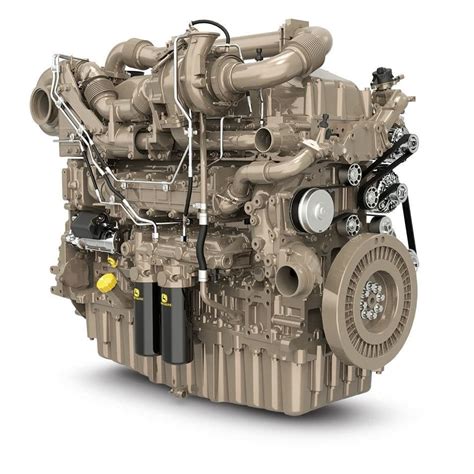
It’s easy to assume your fleet is compliant because it runs smoothly. But emissions compliance has nothing to do with whether your engine is reliable. It’s about what comes out of your exhaust stack.
Older diesel engines, even those maintained to a high standard, simply don’t meet modern emissions benchmarks. Many Cummins ISX, CAT C15, and Detroit Series 60 engines were originally designed to Euro 3 or Euro 4 specifications. Without significant upgrades or reconditioning, these engines cannot pass Euro 6 testing.
Even mid-tier engines that meet Euro 5 standards are now under pressure. As the federal and state governments push for cleaner air in major transport corridors, cities are adopting stricter emissions zones where only Euro 6-compliant vehicles can operate without restriction.
This is especially critical for operators running freight through Brisbane, Sydney, or Melbourne. These are the areas where compliance will be tested most aggressively.
The bigger issue is that emissions testing is no longer a one-off at registration. With on-road emissions monitoring technology improving, random inspections and remote testing via telematics are expected to increase. Trucks can be flagged, tested, and penalised based on real-world emissions output.
If your fleet runs an engine that falls short of the standard, retrofitting emissions equipment may not be enough. In many cases, engine replacement is the more reliable and cost-effective option.
How to Upgrade Without the Guesswork
Meeting emissions compliance requirements doesn’t need to mean weeks off the road or mountains of paperwork.
The fastest route to compliance is a complete engine exchange, especially through a provider who handles the process end to end.
This is where AJK Engines provides unmatched value for fleet operators and commercial vehicle owners across Queensland and Australia.
AJK Engines offers fully reconditioned or remanufactured diesel engines built to OEM specifications and emissions standards. Each engine package is available in three tiers: Baseline, Baseline Plus, and Premium, giving operators flexibility based on their budget and compliance needs.
If you’re upgrading from an older CAT C15 or Cummins ISX, AJK can provide a Euro 6-compliant replacement that not only meets the current standard but is backed by a 12-month unlimited-kilometre warranty. That’s critical peace of mind in a high-risk, high-demand industry.
Better yet, AJK’s drive-in, drive-out service means you don’t need to coordinate between an engine supplier and a separate mechanic. The team at AJK handles the engine removal, replacement, and compliance verification in one streamlined workflow. It’s faster, cleaner, and built for uptime.
Need financing? AJK facilitates external finance options to ease the capital pressure of a full engine replacement. Approval is handled through trusted partners, and the process is designed to keep your fleet moving, not stuck in paperwork.
For manufacturers and OEMs looking to stay compliant on a larger scale, AJK also works directly with vehicle builders and importers to supply engine solutions that meet strict ADR and EPA alignment.
Every engine is pre-tested, assembled to meet emissions requirements, and shipped ready for immediate install. No hidden compliance work. No last-minute sensor installs. No emissions headaches later down the road.
Questions You Might Be Asking Before Upgrading
Will my older engine pass emissions if it’s still running fine?
Not likely. Performance and emissions compliance are not the same. Many engines from before 2010 won’t meet Euro 6 requirements without significant modifications or replacement.
Can I retrofit a DPF or SCR system instead of replacing the engine?
In some cases, yes. But retrofitting can be costly, complex, and unreliable in older engines. AJK Engines can advise whether your engine is a good candidate for retrofit or if replacement is the better route.
What if I don’t have a core engine to exchange?
AJK’s core exchange program applies a charge if no suitable core is provided, but you’ll still get a fully rebuilt and compliant engine. The process is flexible to accommodate your situation.
How long does an engine replacement take?
With stock on hand and drive-in, drive-out service, many engine replacements can be completed in just a few days. The key is booking in advance and having your vehicle assessed early.
Do your engines meet the current Euro 6 and ADR requirements?
Yes. AJK Engines builds and supplies engines that align with Euro 6 and ADR 80/04 requirements, ensuring your vehicle stays compliant today and into the future.
Take Action Before You’re Forced To
Australian diesel emissions compliance is no longer a distant regulation. It’s here, and it’s affecting fleet owners across the country right now.
Whether you operate a single truck or a national fleet, the cost of waiting is growing by the day. With penalties increasing and downtime cutting into profits, proactive compliance is the only strategy that makes sense.
AJK Engines delivers fully compliant, high-performance diesel engines with drive-in, drive-out installation and a rock-solid warranty. No guesswork. No coordination issues. No wasted time.
Call AJK Engines today on 07 5529 2289 or visit the contact page to get your emissions compliance sorted and your trucks back on the road where they belong.