
Diesel engines have powered transport and industry for generations. The two main designs in use today are turbocharged diesel engines and naturally aspirated diesel engines. Each type delivers power in a different way and suits different purposes. Students learning about engines and decision-makers responsible for equipment purchases need a clear comparison before choosing between them.
How a Naturally Aspirated Diesel Engine Works
A naturally aspirated diesel engine draws air into the cylinders using only atmospheric pressure. As the piston moves down, air enters through the intake valve. Fuel is injected into this air, and compression creates the heat required for ignition. The design is simple and has changed little since early diesel development.
According to the Australian Department of Climate Change, Energy, the Environment and Water, transport contributes approximately 21% of Australia’s total greenhouse gas emissions, reinforcing the importance of fuel-efficient engine technologies such as turbocharging to reduce environmental impact.
Because no turbocharger is present, the engine receives only the amount of oxygen available in the surrounding environment. Power output depends on engine size and mechanical efficiency rather than forced air. This simplicity has made naturally aspirated engines popular in older vehicles, farm machinery, and small industrial equipment.
How a Turbocharged Diesel Engine Works
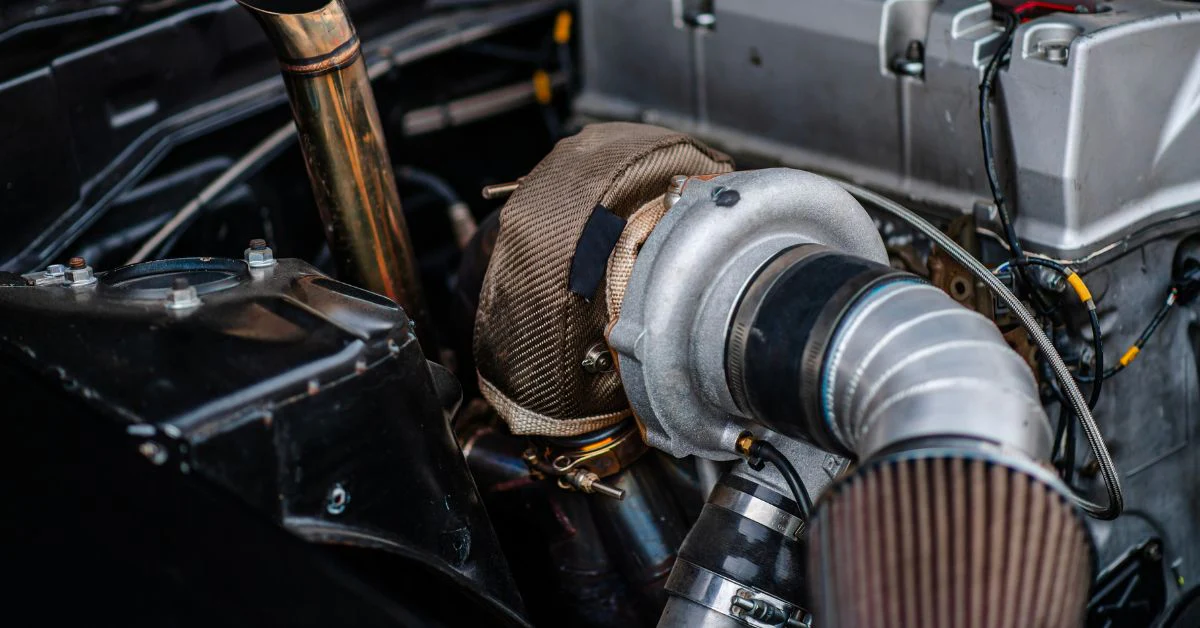
A turbocharged diesel engine adds a turbine and compressor to increase the amount of air entering the cylinders. Exhaust gases spin the turbine, which drives the compressor. The compressor forces extra air into the engine, allowing more fuel to burn and creating greater power.
This process uses energy that would normally be wasted through the exhaust. Instead of increasing engine size, manufacturers can add a turbocharger to achieve higher performance from a smaller unit. Most modern trucks, buses, and construction machines rely on this approach.
Power and Performance Differences
Turbocharged engines deliver more power and torque than naturally aspirated engines of equal displacement. The additional air improves combustion and produces stronger force on the pistons. Vehicles accelerate faster and handle heavy loads more easily.
Naturally aspirated engines provide smoother and more gradual power delivery. There is no delay caused by turbocharger spool, often called turbo lag. For equipment that operates at steady speed, such as pumps or generators, this characteristic can be beneficial.
Altitude affects both designs differently. At high elevations, air becomes thinner and naturally aspirated engines lose noticeable power. Turbocharged engines compensate by compressing the limited air, maintaining better performance in mountains or remote work sites.
Fuel Efficiency Comparison
Turbocharged diesel engines are usually more fuel efficient. By increasing air supply, they achieve more complete combustion and generate greater power from each drop of fuel. This allows smaller engines to perform tasks that previously required larger units.
Naturally aspirated engines often consume more fuel under heavy load because they cannot increase oxygen intake. To produce similar output, they must operate at higher throttle or use larger displacement. In light duty situations the difference may be small, but in commercial use turbocharged designs typically save fuel.
Driver behaviour still plays a major role. Aggressive acceleration in a turbocharged vehicle can reduce any efficiency advantage, while careful operation of a naturally aspirated engine can narrow the gap.
Reliability and Durability
Naturally aspirated engines are known for durability. With fewer components, there are fewer potential failure points. The absence of a turbocharger, intercooler, and boost system reduces mechanical stress. Many older diesels have reached very high operating hours with basic servicing.
Turbocharged engines work under higher pressure and temperature. The turbocharger spins at extreme speed and depends on clean oil and proper cooling. When maintenance is neglected, problems can appear sooner than in simpler engines.
Modern turbo systems have improved greatly and can be reliable for long periods, yet they still require more care than naturally aspirated designs. In locations where skilled technicians are scarce, simplicity becomes a major advantage.
Maintenance Costs
Service expenses reflect the complexity of each engine type. Naturally aspirated engines need routine oil changes, filters, and occasional injector work. Parts are generally inexpensive and easy to access.
Turbocharged engines add several components to the maintenance list. Boost hoses, intercoolers, sensors, and the turbo unit itself require inspection. If a turbocharger fails, replacement can be costly.
However, lower fuel consumption and higher productivity can offset these expenses. Fleet owners often calculate total operating cost rather than only workshop bills when comparing the two options.
Emissions and Environmental Impact
Current emissions standards favour turbocharged engines. The ability to control air flow precisely allows cleaner combustion and better integration with exhaust treatment systems. Particulate filters and catalytic reduction work more effectively with forced induction.
Naturally aspirated engines struggle to meet the same limits without major modifications. For this reason, many manufacturers have discontinued new non-turbo diesel models. In regions with strict environmental rules, turbocharging has become essential.
Noise and Driving Experience
Naturally aspirated diesels tend to produce a softer and more traditional engine sound. Without a turbocharger there is less high-frequency noise and exhaust restriction. Operators often describe them as calmer and more mechanical.
Turbocharged engines can be louder due to increased combustion pressure and turbo whistle. Some drivers enjoy the sensation of strong boost, while others prefer the relaxed feel of non-turbo power. Cabin design and exhaust systems also influence comfort.
Best Uses for Naturally Aspirated Diesel
This design remains ideal for equipment that values reliability over performance. Small tractors, irrigation pumps, and standby generators benefit from easy maintenance and long service life. Training workshops also use them to teach basic diesel principles.
In areas with poor fuel quality or limited access to spare parts, naturally aspirated engines offer security. The ability to continue operating with minimal technology is still important in many industries.
Best Uses for Turbocharged Diesel
Turbocharged diesels dominate tasks that demand high output. Trucks towing heavy loads, earthmoving machinery, and modern passenger vehicles rely on the additional torque. Businesses seeking maximum productivity from each litre of fuel usually select turbocharged models.
The design also supports downsizing. A smaller turbocharged engine can replace a larger naturally aspirated unit while delivering equal or better performance, saving weight and fuel.
Choosing the Right Engine
The correct choice depends on priorities. If low purchase price, simple repairs, and proven longevity matter most, naturally aspirated engines remain attractive. If power, efficiency, and compliance with modern standards are required, turbocharged engines are the logical option.
Students should look beyond horsepower numbers and consider real operating conditions. Decision-makers must evaluate maintenance capability, fuel availability, and expected workload before committing to either design.
Both turbocharged and naturally aspirated diesel engines continue to serve important roles. One offers mechanical simplicity and rugged endurance, while the other provides modern efficiency and strong performance. Understanding these differences leads to better decisions for vehicles and machinery.
For anyone comparing options for a fleet, project, or study program, accurate information is essential. If you need professional advice, engine supply, or support in selecting the right diesel solution, AJK Engines can help match the correct platform to your budget, application, and long-term reliability goals.
FAQs
1. What is the main difference between turbocharged and naturally aspirated diesel engines?
The main difference is how air enters the engine. Naturally aspirated engines rely on atmospheric pressure to draw air into the cylinders, while turbocharged engines use a turbine and compressor to force additional air inside, allowing more fuel to burn and producing greater power.
2. Are turbocharged diesel engines more fuel efficient?
Yes, turbocharged diesel engines are generally more fuel efficient. By forcing more air into the cylinders, they achieve more complete combustion and produce more power from a smaller engine size, reducing fuel consumption in many commercial applications.
3. Which engine type is more reliable?
Naturally aspirated diesel engines are often considered more reliable because they have fewer components and less mechanical stress. Turbocharged engines can also be reliable, but they require proper maintenance, especially of the turbocharger and lubrication system.
4. Why do turbocharged engines perform better at high altitude?
At high altitude, air density decreases, reducing oxygen supply. Naturally aspirated engines lose noticeable power in these conditions. Turbocharged engines compress incoming air, helping maintain performance even in mountainous or remote locations.
5. Which is better for heavy-duty applications?
Turbocharged diesel engines are generally better for heavy-duty applications such as trucks, construction equipment, and machinery requiring high torque. They provide stronger pulling power and better fuel efficiency under load.