Diesel engines remain essential for transport, agriculture, mining, and power generation. At the same time, governments and industries are under pressure to reduce pollution and improve air quality. Modern diesel emission reduction technologies were developed to meet these goals without sacrificing reliability or performance. Understanding how these systems work is important for mechanics who service them and for sustainability consultants who evaluate environmental impact.
Why Diesel Emissions Must Be Controlled
Diesel combustion produces several by-products. The main pollutants are nitrogen oxides, particulate matter, hydrocarbons, and carbon monoxide. Nitrogen oxides contribute to smog and respiratory illness. Particulate matter consists of tiny soot particles that can enter the lungs and bloodstream. Older diesel engines released these pollutants directly into the atmosphere.
According to the Australian Department of Climate Change, Energy, the Environment and Water, transport contributes approximately 21% of Australia’s total greenhouse gas emissions, making emission reduction technologies essential for improving air quality and reducing environmental impact.
Tighter regulations in Europe, North America, Asia, and Australia forced manufacturers to redesign engines and exhaust systems. Instead of relying only on engine tuning, modern diesels now use aftertreatment devices that clean the exhaust before it leaves the tailpipe.
Diesel Particulate Filters and How They Work
The diesel particulate filter, usually called a DPF, is one of the most important developments in emission control. The filter sits in the exhaust system and traps microscopic soot particles. Exhaust gases pass through porous walls while the solid particles remain inside the filter structure.
Over time the trapped soot builds up and must be removed. This process is known as regeneration. During regeneration the exhaust temperature is raised, burning the soot into ash and carbon dioxide. Regeneration can occur passively during highway driving or actively through fuel injection strategies controlled by the engine computer.
DPF systems are highly effective at reducing visible smoke and fine particles. For mechanics, correct maintenance is essential. Short trips, low engine load, or faulty sensors can prevent proper regeneration and lead to blocked filters.
Selective Catalytic Reduction Explained
Selective catalytic reduction, commonly called SCR, targets nitrogen oxides rather than soot. The system injects a liquid solution known as diesel exhaust fluid into the exhaust stream. This fluid contains urea and deionised water.
Inside the SCR catalyst the urea converts to ammonia, which reacts with nitrogen oxides to produce harmless nitrogen and water vapour. The reaction requires precise temperature control and accurate dosing from the electronic control unit.
SCR technology allows engines to be tuned for efficiency while the aftertreatment handles emissions. For sustainability consultants, SCR offers one of the largest reductions in nitrogen oxide output among all available methods.
Exhaust Gas Recirculation
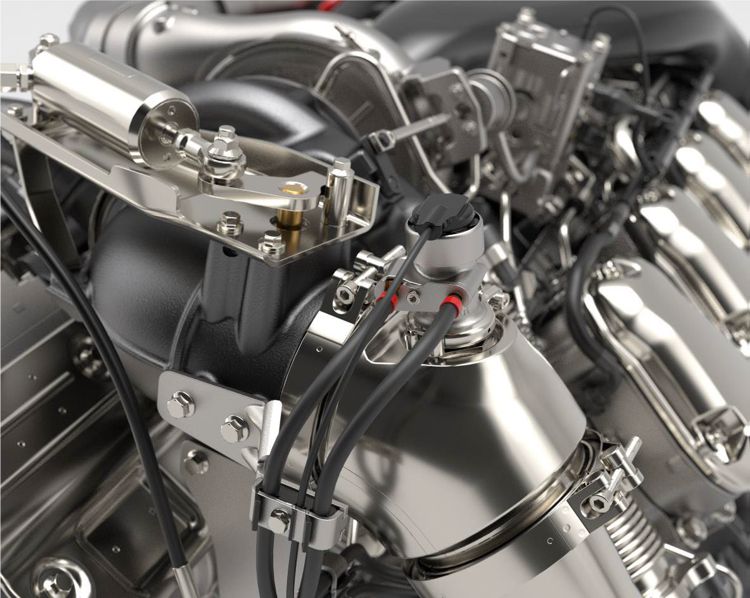
Exhaust gas recirculation, or EGR, is an internal engine strategy rather than an external filter. A portion of the exhaust gas is redirected back into the intake system. This dilutes the oxygen concentration and lowers combustion temperature, which reduces nitrogen oxide formation.
EGR systems include valves, coolers, and sensors to manage the flow. While effective, they can increase soot production, which is why most modern engines combine EGR with DPF and SCR technology. Mechanics often encounter issues such as clogged EGR coolers or sticking valves that affect performance.
Diesel Oxidation Catalysts
Before the widespread use of DPF and SCR, diesel oxidation catalysts were the primary emission device. These catalysts promote chemical reactions that convert hydrocarbons and carbon monoxide into carbon dioxide and water.
Oxidation catalysts are still used today, often as the first component in a multi-stage aftertreatment system. They help reduce odour and prepare the exhaust for further cleaning by raising temperature for the DPF.
Onboard Diagnostics and Sensors
Emission systems depend heavily on electronic monitoring. Temperature sensors, pressure sensors, and nitrogen oxide sensors provide constant feedback to the engine control unit. The computer decides when to regenerate the DPF or how much diesel exhaust fluid to inject.
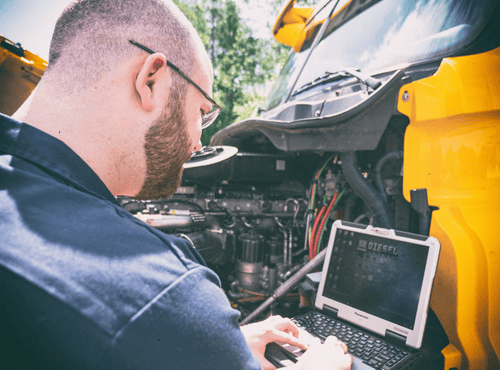
For mechanics, diagnostic skills are just as important as mechanical ability. A failed sensor can cause warning lights, reduced power modes, or excessive emissions even when the hardware is healthy. Understanding data from scan tools is now a core part of diesel servicing.
Impact on Fuel Consumption
Emission technologies influence fuel economy in different ways. SCR systems often allow better fuel efficiency because the engine can run at higher combustion temperatures. DPF regeneration, however, may temporarily increase fuel use due to extra injections needed to raise exhaust temperature.
Sustainability consultants evaluating fleets must consider this balance. Real world fuel data should be compared before and after emission upgrades to understand the true environmental benefit.
Maintenance Challenges
Modern aftertreatment systems require more attention than older diesels. DPF filters eventually fill with non-combustible ash and need professional cleaning or replacement. Diesel exhaust fluid must be stored correctly and refilled regularly. Low fluid levels can trigger engine power restrictions.
Mechanics must follow service procedures carefully. Using the wrong engine oil can damage the DPF. Ignoring warning lights can lead to expensive failures. Training and accurate information are critical for long-term reliability.
Emission Standards Around the World
Different regions apply different names to their standards. Europe uses Euro stages, the United States uses EPA tiers, and other countries follow similar models. Each stage sets lower limits for nitrogen oxides and particulate matter.
When new standards appear, manufacturers introduce updated technology. Consultants working across borders need to understand which level applies to each vehicle or machine. Importing equipment from another region can create compliance issues if the emission rating is lower than local requirements.
Retrofitting Older Diesel Equipment
Not every machine can be replaced with a new model. Retrofitting offers a solution for older vehicles that still have useful life. DPF units, oxidation catalysts, and SCR kits can be added to many engines with professional installation.
Retrofitting reduces environmental impact without the cost of full replacement. It is common in city bus fleets, port equipment, and construction machinery operating near populated areas.
Future Directions in Diesel Emissions
Research continues to improve emission control. Manufacturers are developing more durable filters, better catalysts, and smarter control software. Hybrid systems that combine diesel engines with electric assistance can further reduce output during low load conditions.
Alternative fuels such as renewable diesel and biodiesel also play a role. These fuels can lower lifecycle emissions while remaining compatible with existing engines when used correctly.
Practical Advice for Workshops
Workshops servicing modern diesels should invest in diagnostic tools and staff training. Understanding regeneration procedures, sensor calibration, and fluid quality prevents many common problems. Record keeping is important because emission faults can affect vehicle compliance and warranty.
Using genuine or approved parts is recommended. Low quality components may not meet the precise requirements of aftertreatment systems and can cause repeated failures.
The Role of Sustainability Consultants
Consultants evaluating diesel fleets need more than headline emission numbers. Duty cycle, maintenance quality, fuel type, and driver behaviour all influence real emissions. Site inspections and data logging provide a clearer picture than brochures alone.
Advising clients on replacement schedules, retrofitting options, and operational changes can deliver significant environmental improvements without unnecessary cost.
Understanding the Whole System
No single device solves diesel pollution on its own. Modern engines use a combination of EGR, oxidation catalysts, DPF filters, and SCR units working together under electronic control. Each component has a specific task, and the overall result depends on correct interaction.
For mechanics, this means adopting a systems approach rather than focusing on individual parts. For sustainability professionals, it means assessing technology as part of a wider strategy that includes fuel quality and operating practices.
Diesel emission reduction technologies have transformed the industry. Engines that once produced heavy smoke can now operate with minimal visible exhaust while maintaining the power needed for demanding work. The technology is complex, but its purpose is clear: cleaner air and responsible use of diesel power.
As standards continue to tighten, knowledge becomes the most valuable tool. Mechanics who understand these systems can diagnose problems quickly and keep equipment compliant. Sustainability consultants who grasp the technology can guide organisations toward practical and effective solutions. If you need expert support with modern diesel systems, parts, or professional advice on DPF, SCR, and emission compliance, AJK Engines can help you maintain reliable performance while meeting current environmental standards.
1. What are the main pollutants produced by diesel engines?
Diesel engines mainly produce nitrogen oxides (NOx), particulate matter (soot), hydrocarbons, and carbon monoxide. These pollutants contribute to smog, respiratory illness, and environmental damage, which is why modern emission control systems are required.
2. How does a Diesel Particulate Filter (DPF) work?
A DPF traps microscopic soot particles in the exhaust system before they exit the tailpipe. Over time, the trapped soot is burned off through a process called regeneration, which restores the filter’s capacity.
3. What is Selective Catalytic Reduction (SCR) and why is it important?
Selective Catalytic Reduction (SCR) is an emission control system that reduces nitrogen oxides by injecting diesel exhaust fluid (DEF) into the exhaust stream. The chemical reaction converts harmful NOx into harmless nitrogen and water vapour.
4. Do diesel emission systems affect fuel consumption?
Yes. SCR systems can improve overall fuel efficiency by allowing engines to run at optimal combustion temperatures. However, DPF regeneration may temporarily increase fuel use due to additional fuel injections required to raise exhaust temperatures.
5. Can older diesel engines be retrofitted with emission reduction technology?
Yes. Many older diesel engines can be retrofitted with DPF units, oxidation catalysts, or SCR systems. Retrofitting reduces environmental impact and helps equipment meet modern emission standards without full replacement.