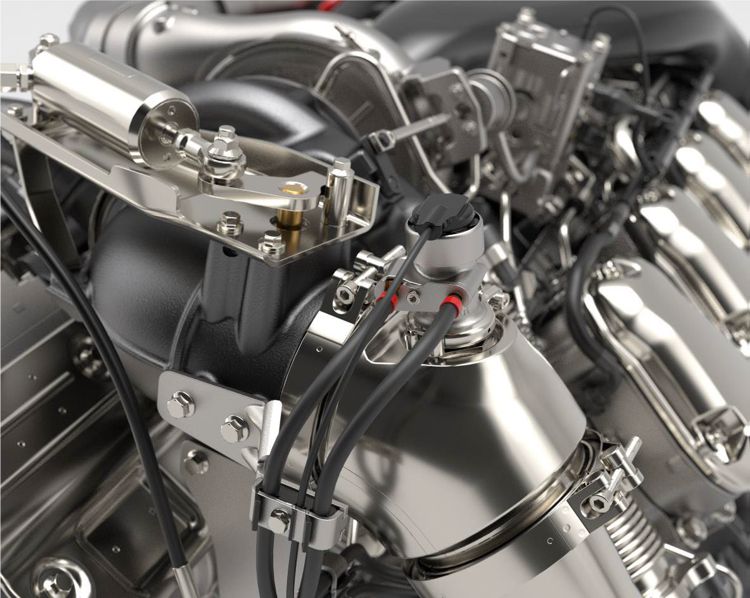
From the grit of remote mining sites to the precision of agricultural fields, diesel engines are the unsung workhorses of the modern world. Their deep growl signals power, their design promises endurance, and their performance delivers results where it matters most. But what exactly makes diesel engines such an irreplaceable force across sectors? And in a world increasingly focused on sustainability and smart technology, why does diesel still matter?
This article examines the unmatched versatility of diesel power and unpacks where and why these engines continue to lead in application areas that demand resilience, reliability and raw strength.
Built for Battle: Why Diesel Engines Dominate Demanding Environments
To understand diesel’s edge, you need to look under the hood. Diesel engines are designed for torque rather than speed. That torque — the low-end grunt that moves heavy machinery from a dead stop — is why industries like transport, construction and agriculture rely on diesel day in and day out.
Unlike petrol engines that ignite with a spark, diesel engines use compression to heat air in the cylinder. When diesel fuel is injected, it combusts instantly under pressure. This leads to several advantages:

- Fuel Efficiency: Diesel engines extract more energy per litre of fuel. In high-load applications, this can mean significantly lower operating costs over time.
- Durability: Built with stronger components to handle high compression, diesel engines are engineered for longevity. It is not uncommon for heavy-duty diesel engines to run for 15,000 hours or more before major overhauls.
- Load Handling: Diesel engines thrive under stress. Their power curves are ideal for equipment that demands consistent output, whether that is pulling tonnes of grain or powering a crane.
This engineering superiority is not just theoretical. It is why diesel engines continue to outperform petrol and electric alternatives in areas where reliability is mission-critical.
Where the Rubber Meets the Road: Key Industries That Rely on Diesel Power
Look across the economic landscape and you will see diesel embedded in almost every foundational industry. Here are the sectors where diesel versatility is not just useful, it is essential.
1. Transportation
From long-haul freight to commercial shipping, diesel powers the vehicles that keep supply chains moving. Semi-trailers, delivery trucks, buses and even locomotives depend on diesel for their extended range and ability to move large payloads economically.
In Australia, domestic road vehicles produced over 106,000 gigagrams of CO₂-equivalent emissions in 2022-23, according to the Bureau of Infrastructure and Transport Research Economics. This scale of activity highlights the critical role diesel engines play in powering national logistics — and why improving their efficiency remains vital for economic and environmental progress.
In marine transport, diesel engines power ferries, fishing vessels and cargo ships. These applications benefit from diesel’s superior torque and reliability on long journeys, often in isolated or harsh maritime environments.
2. Agriculture
Modern agriculture runs on diesel. Tractors, harvesters, irrigation systems and sprayers are all designed around diesel engines for their fuel economy and pulling power. Farms are vast, varied and often off-grid. Diesel offers the energy density and reliability to get through harvest seasons without fail.
In regions where electricity supply is inconsistent or unavailable, diesel generators power water pumps and post-harvest processing. The engine that plants the seed also helps bring the crop to market.
3. Construction and Mining
You will not find a serious construction site without diesel in some form. Excavators, bulldozers, graders and cranes all depend on diesel to deliver consistent, heavy-duty output. The stop-start nature of construction demands an engine that can handle tough cycles, and diesel delivers.
In mining, diesel engines are used in drills, loaders, haul trucks and ventilation systems. These engines are expected to perform in extreme heat, dust and deep underground environments where failure is not an option.
4. Energy and Backup Power
Diesel generators provide critical backup power for hospitals, data centers, telecommunications towers and emergency services. These are not just conveniences. They are lifelines. Diesel’s ability to start quickly and operate independently of grid power makes it the ideal choice for emergency and off-grid applications.
Diesel gensets also play a key role in microgrids, military bases and remote industrial projects. They are often integrated with solar and battery systems to provide hybrid power solutions that balance reliability with sustainability.
Beyond the Stereotypes: How Modern Diesel Solves Old Problems
Diesel once had a dirty reputation — loud, polluting and inefficient. But that image is now outdated. Over the past two decades, diesel technology has undergone a quiet revolution.
Cleaner Combustion
With the introduction of Diesel Exhaust Fluid (DEF), Diesel Particulate Filters (DPF) and Exhaust Gas Recirculation (EGR) systems, modern diesel engines now meet stringent emissions standards around the world. Euro 6 and Tier 4 Final regulations have pushed manufacturers to cut particulate matter and nitrogen oxides by over 90 percent compared to older models.
Smart Diagnostics and Maintenance
Today’s diesel engines often come equipped with onboard diagnostics, telematics and remote monitoring systems. These tools allow fleet managers and operators to monitor engine performance in real time, schedule predictive maintenance and reduce downtime. Diesel has evolved into a smarter, more accountable machine.
Hybrid Integration
Some of the most exciting advances in diesel are happening at the intersection of electric and combustion. Diesel-electric hybrids are now used in public transport, rail and construction equipment. They offer the torque and range of diesel with the efficiency and quiet operation of electric motors during low-load tasks.
Far from being left behind, diesel is embracing change and positioning itself as a clean, connected energy source.
Future-Proof Performance: Why Diesel Remains a Strategic Power Choice
In a time when businesses face rising energy costs, shifting regulations and uncertain grid infrastructure, diesel offers strategic stability. Here is why it remains a smart investment for entrepreneurs and engineers looking to future-proof their operations.
Fuel Independence
Diesel fuel is globally available and less volatile than petrol, both in terms of pricing and shelf life. This makes diesel engines particularly valuable in regions with unreliable grid power or poor infrastructure.
Low Total Cost of Ownership
While diesel engines may have a higher upfront cost, their longer service life, better fuel economy and reduced maintenance needs make them cost-effective over time. For asset-heavy industries, that is money in the bank.
Proven Track Record
Diesel is not a fringe technology. It is a proven, well-supported platform with decades of real-world success. Parts are widely available, mechanics are trained and engines are field-tested. In sectors where uptime is non-negotiable, diesel’s track record speaks louder than trends.
Critical Role in Transitioning Energy
Diesel is also playing a bridging role as industries transition toward renewable energy. Its compatibility with biodiesel blends and integration with solar and battery systems make it a valuable component in the journey toward net-zero emissions.
What People Ask Before Choosing Diesel Engines
Is diesel still relevant with electric vehicles on the rise?
Yes. While EVs are ideal for urban commutes and light-duty tasks, diesel engines remain superior for high-torque, heavy-duty applications and off-grid power generation.
How long do diesel engines last?
With regular maintenance, commercial diesel engines can last 15,000 to 30,000 hours, depending on the application and load profile.
Are modern diesel engines environmentally friendly?
Modern diesel engines equipped with emissions control technology meet strict environmental standards and can run on biodiesel blends to reduce carbon footprint.
What are the maintenance needs of a diesel engine?
Diesel engines require regular oil and filter changes, DEF replenishment (where applicable), and periodic inspections of injectors and emissions systems. However, their service intervals are typically longer than petrol engines.
Can diesel engines run on alternative fuels?
Yes. Many are compatible with biodiesel blends such as B20 (20 percent biodiesel) and in some cases even B100, offering a renewable fuel option without significant engine modification.
Need Power That Performs Under Pressure?
Diesel engines continue to be the backbone of industrial power. They are durable, efficient and ready to work when it matters.
If your business needs reliable performance in demanding environments, AJK Engines is your trusted partner. Call us on 0490 503 674 or visit our website to explore engine solutions tailored to your ind