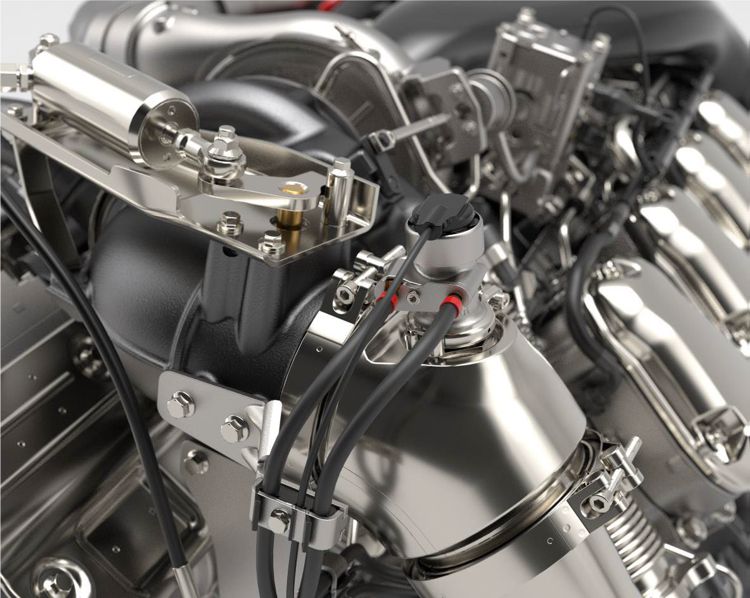
In a world sprinting toward renewables, one power source still dominates the heavyweights of industry. Diesel. Reliable, robust, and ready for action, diesel engines continue to drive the backbone of Australia’s biggest sectors. From the depths of mining pits to the length of national highways, diesel is the muscle behind productivity.
This article explores how diesel keeps mining operations drilling, transport fleets rolling and industry leaders confident. Whether you’re managing assets in construction, agriculture or logistics, understanding the modern role of diesel helps you make smarter, future-ready decisions.
The Backbone of Industry: Why Diesel Still Dominates
The reliability and efficiency of diesel engines across high-demand environments
When performance matters, diesel delivers. Its unmatched torque makes it ideal for heavy loads and long operating hours, especially in remote or off-grid conditions where electricity or gas supply isn’t an option.
Mining trucks, bulldozers, harvesters, cranes and long-haul freight vehicles all depend on the dense energy and mechanical strength diesel provides. Unlike alternatives that rely on ideal conditions, diesel engines can perform in extreme heat, dust, and high-vibration environments.
Industrial buyers also rely on diesel for one key reason: fuel availability. Diesel remains more widely accessible than LNG or hydrogen infrastructure, especially in rural and mining areas. This ensures uptime stays high and operations never stall due to fuel supply issues.
Even as electrification grows in light industries, the need for heavy-duty, autonomous and off-grid equipment keeps diesel at the core of Australia’s industrial movement.
Mining, Construction, Agriculture: Diesel’s Deep Roots in the Dirt
Uncover how diesel fuels Australia’s heaviest industries without missing a beat
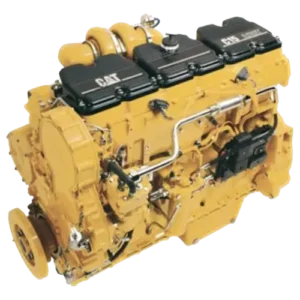
In mining, no energy source offers the same mix of power, portability and safety as diesel. From underground drills to haul trucks and backup generators, diesel supports operations where downtime costs millions.
Diesel engines thrive in harsh, dusty environments. Their lower flammability compared to petrol makes them safer for underground operations, while their ability to run at low RPM helps conserve fuel without sacrificing torque.
Construction is no different. Diesel powers loaders, graders, cranes and concrete mixers—machines that work long hours under heavy load. Unlike electric or gas alternatives, diesel construction equipment can be refuelled quickly and used continuously with little downtime.
On farms, diesel drives tractors, harvesters, irrigation pumps and generators. Its consistent output supports seasonal work schedules and isolated property layouts. Many agricultural operations depend on diesel to run machinery throughout vast rural properties where electric charging stations simply don’t exist.
Diesel also supports auxiliary systems in these sectors. Temporary power supply, water pumping and lighting for night operations all depend on diesel generators, especially during emergencies or peak output times.
Diesel vs Alternatives: The Real-World Performance Gap
Evaluating performance, logistics, and infrastructure realities in 2025
Electrification is a growing force, but in key industrial sectors, it’s not yet practical at scale. Battery-electric vehicles (BEVs) struggle with the payload and range requirements of mining and freight. Charging infrastructure remains limited, and recharging large equipment takes hours compared to minutes for a diesel refill.
Hydrogen, while promising, faces its own set of challenges. High production costs, limited distribution networks and safety concerns make it a niche rather than a broad solution. For many industrial applications, hydrogen’s operational risks outweigh its theoretical benefits.
Liquid Natural Gas (LNG) is another option, but the infrastructure is expensive and not suited for remote deployment. Diesel, by contrast, requires minimal new investment and can be stored safely in portable tanks or bulk fuel depots.
Beyond fuel type, maintenance and lifecycle cost also favour diesel. The technology is mature, the supply chain well-developed, and trained service technicians are readily available nationwide. This drives down both downtime and total cost of ownership.
While green alternatives will evolve, for now, diesel remains the most viable choice where reliability, efficiency and cost control intersect.
Diesel Transport: Keeping Australia’s Engine Turning
Trucks, trains and maritime logistics depend on diesel every day
Australia’s economy is built on distance. With more than 870,000 km of roads and vast inland routes between cities, rail hubs and ports, reliable freight transport is non-negotiable.
According to the Truck Industry Council, by 2030 around 98% of Australia’s truck fleet will still require diesel, underscoring how entrenched diesel remains in heavy-haul transport.
Diesel powers over 99 percent of Australia’s heavy-duty freight trucks. These rigs cover millions of kilometres each year, delivering goods from regional growers to metro warehouses.
The freight rail network also relies on diesel locomotives. While electric trains service passenger lines in cities, most bulk freight and intercity rail movement still uses diesel power. These engines can operate independently of overhead power lines, making them essential for remote mining regions and agricultural zones.
Maritime shipping is another diesel-reliant domain. From coastal cargo vessels to inland ferry operations, diesel powers engines that must operate in salt-heavy environments and remote docking points.
Even emergency response vehicles, mobile medical units and military convoys use diesel to ensure access to reliable, portable energy in critical situations.
No matter the load, route or region, diesel is the dependable workhorse for keeping Australia’s logistics moving on time and on budget.
Questions We Get Asked by Industry Professionals
Is diesel still cost-effective given fuel price fluctuations?
Yes. Despite price volatility, diesel’s energy density, efficiency and mature supply chain usually offset fuel costs. Volume purchasing, tax credits and onsite storage options also help control expenses.
How does diesel compare environmentally to electric?
In urban passenger transport, electric options can be cleaner. But in industrial use cases, diesel remains more sustainable when factoring in production, battery disposal and real-world uptime. New biodiesel blends also offer a lower-emission alternative for diesel users.
Are diesel engines compatible with automation?
Yes. Many modern diesel engines are now integrated into autonomous systems across mining and agriculture. Diesel remains the power source for these smart machines due to its reliability and ease of control.
Is support for diesel engines still readily available?
Absolutely. With decades of usage behind them, diesel engines have the widest network of trained technicians, parts suppliers and diagnostic tools in the country.
Can I use diesel generators for backup in critical operations?
Yes. Diesel generators are the industry standard for emergency and backup power in mining, medical, construction and agriculture. They start quickly, require minimal maintenance and can run for long periods without grid access.
Power Your Sector with Australia’s Most Trusted Fuel
For over 100 years, diesel has kept Australia’s industries strong, scalable and secure. And it’s not slowing down. Whether you’re operating in mining, managing a national fleet or powering a remote site, diesel provides the strength and reliability your business depends on.
To explore tailored diesel solutions for your operations, get in touch with our team. With expert insights, local support and sector-specific experience, we’re here to help you maximise performance and control costs.
Call us today on 0490 503 674
Or visit ajkengines.com.au/contact-us/ to get started.
Free nationwide shipping. Over 35 years of trusted service. Australia’s diesel partner for the long haul.