More torque. Better fuel economy. Superior engine response. The rise of the turbocharged diesel engine has transformed what is possible under the bonnet of trucks, utes and off-road rigs. But what actually goes on inside a turbo system? And how does it squeeze more performance from every drop of diesel?
This is a breakdown of how turbocharging elevates diesel engine output, torque and efficiency without increasing fuel load or engine stress.
More Power, Less Engine Size
Turbocharging and Why It’s a Diesel Game-Changer
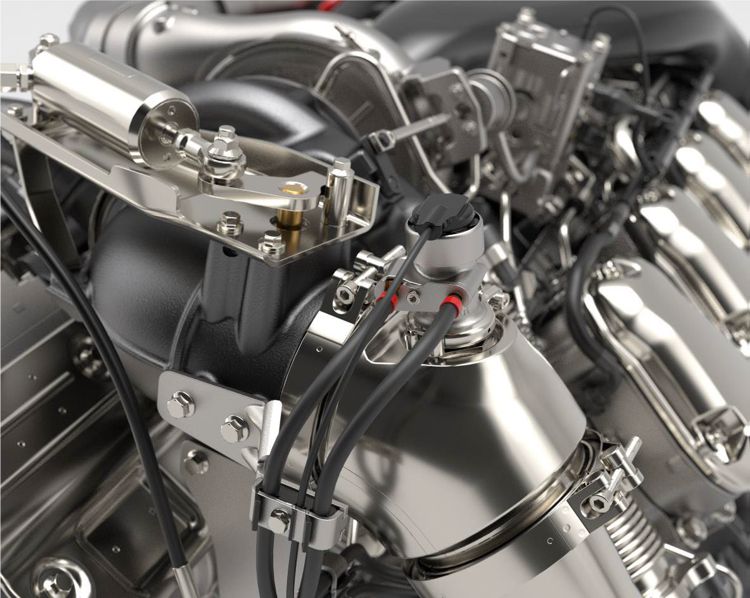
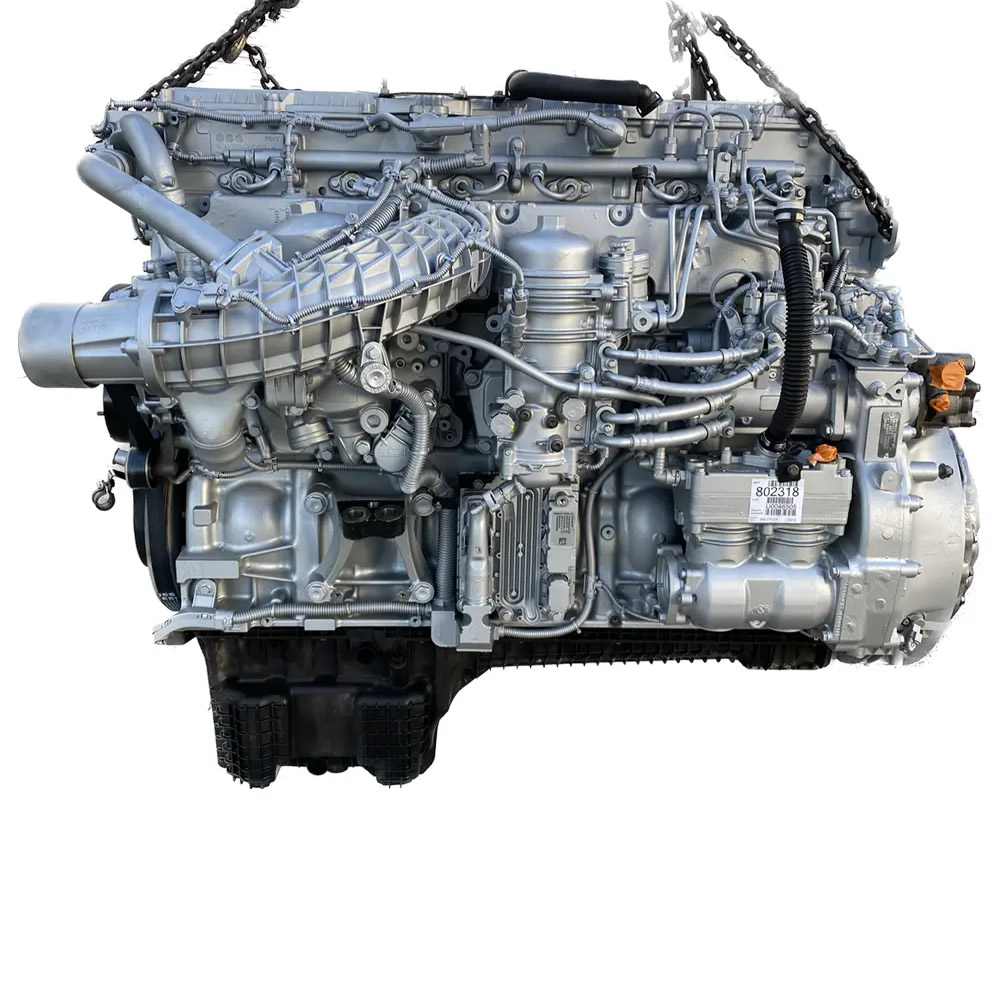
A turbocharger is a forced induction system. It harnesses exhaust gas energy to spin a turbine that compresses incoming air before it reaches the combustion chamber. Compressed air increases oxygen density. More oxygen means more fuel can be burned during combustion. More fuel means more power.
This is especially effective in diesel engines. Diesels rely on compression ignition and benefit significantly from higher air intake volume. By forcing more air into the cylinder, the combustion process becomes more intense and more efficient. The result is greater power from the same engine displacement.
Smaller, lighter engines deliver the performance of larger naturally aspirated ones. This leads to better power-to-weight ratios, tighter engine packaging and improved responsiveness.
Turbocharged diesels also maintain strong torque curves, especially at low rev ranges. This is vital for towing, load hauling and off-road applications where low-end pulling power is critical.
Better Efficiency Without the Fuel Burn
Boosting Torque and Fuel Economy in One Hit
Turbocharged diesel engines do not just deliver more power. They deliver it more efficiently. Because turbo systems increase torque at lower RPMs, the engine does not need to rev as high to perform. That means lower fuel consumption, reduced strain and fewer gear changes during operation.
This is particularly important for long-haul and heavy-duty vehicles. Higher torque at low RPMs results in smoother load movement, better traction control and reduced engine fatigue. All while using less fuel.
Modern turbo technologies like Variable Geometry Turbos improve this even further. These turbos adjust their internal vanes based on load and speed, optimising boost pressure without delay. This means no perceptible turbo lag and consistent performance across the entire rev range.
Turbocharging also improves emissions profiles. Cleaner and more complete combustion reduces soot, NOx and unburnt fuel particles. These are easier to manage through DPFs, SCR and EGR systems.
In Australia, the transport sector accounts for around 21 percent of the nation’s greenhouse gas emissions, underscoring the need for technologies that improve combustion efficiency and reduce waste. Turbocharged diesel systems directly contribute to this by enabling more complete fuel burn and cleaner exhaust output.
The result is a diesel platform that works harder, breathes cleaner and runs longer on every litre.
The Myths, the Facts, the Comparisons
Turbocharged Diesel vs Naturally Aspirated — What Really Matters
There are still misconceptions around turbocharged diesel engines. These need to be cleared up with facts.
Myth 1: Turbos damage engines and shorten lifespan.
Incorrect. A properly tuned and maintained turbo diesel runs cooler and more efficiently than an overstressed naturally aspirated equivalent. Most OEM turbo engines are designed from the outset to handle increased airflow and pressure.
Myth 2: Turbo lag ruins drivability.
Outdated. With VGT technology and modern ball-bearing designs, spool time is nearly instant. Drive-by-wire systems also help maintain consistent throttle response.
Myth 3: Naturally aspirated engines are simpler and therefore more reliable.
Not always. Turbo engines run at lower average RPMs and often wear more evenly. With regular oil changes and correct coolant management, a turbo diesel will last just as long — if not longer.
Myth 4: You need to be constantly revving high to benefit from a turbo.
Completely false. Most turbocharged diesels reach peak torque between 1,400 and 2,000 RPM. That means usable power comes in earlier and stays longer across the rev range.
When tested side by side, a turbocharged diesel outperforms a naturally aspirated engine in almost every category. From fuel use and torque to emissions and flexibility, the boosted setup wins.
Thinking About Upgrading? Here’s What to Know First
Choosing the Right Turbo Setup for Your Diesel Engine
If you are planning to upgrade or retrofit your diesel engine with a turbocharger, preparation is everything. A successful turbo build depends on proper matching of components and a clear understanding of the engine’s operating conditions.
Here are five critical points to consider:
- Engine Condition
Run a full diagnostic. This includes compression tests, cylinder leakdown and inspection of the cooling and oiling systems. A healthy base engine is essential. - Turbo Sizing
A large-frame turbo might offer high-end power, but it will spool slower. Smaller turbos spool quicker but sacrifice top-end flow. Select based on use case, not just peak output. - Fuel Delivery
Upgrading the turbo without adjusting the fuel system is a mistake. You will need matched injectors, a higher capacity pump and correct fuel maps to support increased airflow. - Cooling and Intercooling
Compressing air raises intake temperature. An efficient intercooler reduces this, increasing air density and protecting against knock or heat soak. It is a non-negotiable for high-performance diesel setups. - ECU Tuning
The most overlooked part. Without a professional tune, even the best hardware will not deliver results. Air-fuel ratios, injection timing and boost pressure curves must be recalibrated.
A well-integrated system will offer more than just numbers on a dyno. It will improve drivability, throttle response and engine longevity.
What People Ask Before Upgrading a Diesel Engine
Questions from Mechanics and Tuners
Is a turbocharged diesel better for towing?
Yes. The extra torque at low RPM improves towing ability significantly.
Does a turbo require more maintenance?
Oil quality and filter intervals become more important. However, no additional maintenance is needed beyond what a high-performance engine already requires.
Can I add a turbo to a non-turbo diesel?
Yes, but expect a full kit including manifold, intercooler, oil lines, ECU tune and fuel system upgrades.
How long do factory turbos typically last?
With good servicing, 200,000 km is achievable for many stock turbos.
What happens if I run too much boost?
Too much boost without tuning causes high exhaust temps, blown gaskets or piston failure. Controlled tuning is essential.
Take Control of Your Diesel’s Potential
Turbocharged diesel engines represent the peak of mechanical efficiency. They provide more usable torque, better fuel economy and a driving experience that naturally aspirated setups cannot match.
If you’re serious about maximising diesel performance, speak with the team at AJK Engines, specialists who understand engine balance, boost pressure and real-world gains. With more than 35 years in performance-grade horticultural logistics and supply, we understand the precision diesel engines demand.
To find the right turbo solution for your setup, call Matt or James at AJK Engines on 0490 503 674.
They’ll help you choose the right gear and get more from every drop of diesel.