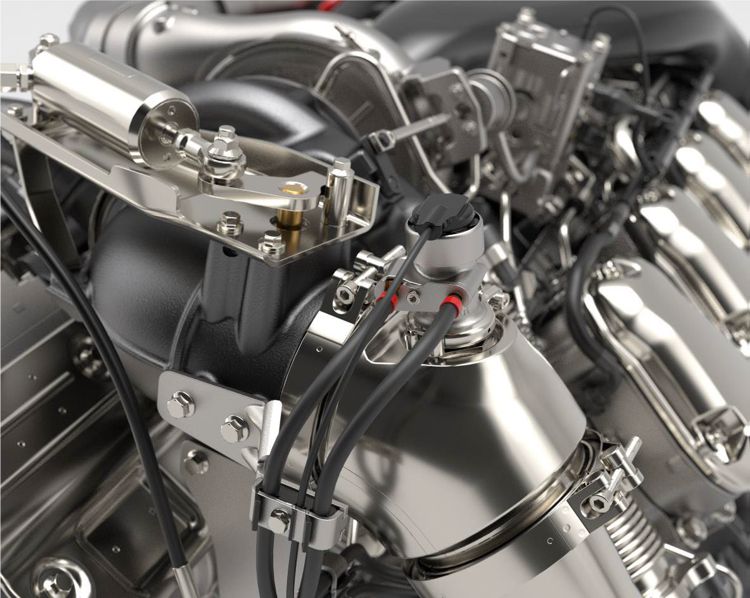
Diesel engines remain the backbone of transport, construction, agriculture, and power generation. When these engines stop unexpectedly, the impact spreads far beyond the workshop. Production delays, missed deliveries, and emergency repair costs quickly affect profitability. Improving diesel engine reliability is therefore one of the most important responsibilities for maintenance managers and technicians. Reliability is not achieved by luck but through disciplined processes and practical strategies.
Understanding the Real Cost of Downtime
Downtime involves more than the price of parts. Every hour an engine is out of service can halt an entire operation. Drivers wait, machinery sits idle, and customers experience delays. Overtime labour and express freight for components add further expense.
Calculating the full cost of downtime helps organisations justify investment in preventive maintenance and training. Many businesses discover that a single major failure can equal the annual budget for planned servicing.
According to the Australian Bureau of Infrastructure and Transport Research Economics, road freight carries more than 75% of Australia’s domestic freight, highlighting how critical diesel engine reliability is to maintaining operational continuity and supply chains.
Common Causes of Diesel Engine Failure
Most diesel breakdowns are linked to a small number of root causes. Contaminated fuel damages injectors and pumps. Poor lubrication accelerates wear of bearings and turbochargers. Overheating weakens cylinder heads and gaskets. Blocked air filters reduce power and increase soot.
Identifying these patterns allows maintenance teams to focus on prevention rather than constant reaction. Reliable engines are the result of controlling these basic factors every day.
Building a Preventive Maintenance Program
A structured preventive maintenance program is the foundation of reliability. Service intervals should be based on operating hours and duty cycle rather than only calendar dates. Checklists ensure that critical tasks are never missed.
Regular oil and filter changes, cooling system inspections, and belt replacements prevent many failures. Recording each service in a central system creates a history that guides future decisions.
The Role of Condition Monitoring
Modern maintenance relies on condition monitoring instead of waiting for symptoms. Oil analysis reveals internal wear long before noise appears. Vibration testing detects bearing problems in pumps and alternators. Telematics data shows rising fuel consumption or abnormal temperatures.
Using these tools, technicians can plan repairs during scheduled stops rather than in the middle of a job. Condition monitoring turns maintenance into a controlled process.
Fuel Quality Management
Clean fuel is essential for diesel reliability. Water and dirt quickly damage high-pressure injection systems. Storage tanks should be fitted with proper filtration and drained regularly. Mobile refuelling equipment must be kept as clean as workshop tools.
Training staff to recognise contaminated fuel prevents repeated injector failures. Many fleets that struggle with reliability find that poor fuel handling is the hidden cause.
Cooling System Care
Overheating remains one of the most destructive problems for diesel engines. Radiators blocked with dust, failing water pumps, and incorrect coolant mixtures all contribute to high temperatures. Regular flushing and pressure testing protect expensive components.
Technicians should treat the cooling system with the same importance as lubrication. A few minutes of inspection can save an engine rebuild.
Air Intake and Exhaust Health

Diesel engines depend on unrestricted airflow. Clogged air filters increase fuel use and raise exhaust temperatures. Damaged intake hoses allow unfiltered air to enter, causing rapid wear.
On the exhaust side, excessive back pressure from blocked DPF units or crushed pipes forces the engine to work harder. Monitoring these systems improves both reliability and efficiency.
Training and Skill Development
Even the best maintenance plan fails without skilled people. Modern diesels include electronic controls, emission systems, and complex diagnostics. Technicians require continuous training to keep pace with technology.
Encouraging certification and manufacturer courses reduces misdiagnosis and repeat repairs. Experienced staff also share practical knowledge that cannot be found in manuals.
Spare Parts Strategy
Waiting for parts is a major contributor to downtime. Critical components such as filters, belts, sensors, and injectors should be held in stock based on fleet size and failure history. Standardising parts across vehicle models simplifies inventory.
Working with reliable suppliers ensures that replacements meet quality standards. Cheap components often create more problems than they solve.
Operator Involvement
Drivers and machine operators play a key role in reliability. Daily checks for oil level, coolant, and warning lights catch problems early. Reporting unusual noise or vibration allows technicians to act before a breakdown occurs.
Creating a culture where operators feel responsible for equipment condition dramatically reduces failures.
Using Data to Guide Decisions
Maintenance managers should review data on fuel use, idle time, and previous repairs. Trends reveal which engines need attention and which practices are effective. Data-driven decisions replace guesswork and improve budget planning.
Simple dashboards showing availability and repair cost help leadership understand the value of maintenance investment.
Preparing for Emergencies
Even with strong prevention, unexpected failures will occur. Having clear emergency procedures limits disruption. Technicians need access to diagnostic tools, service manuals, and contact details for specialist support.
A well-prepared team restores service faster and with fewer secondary problems.
Continuous Improvement
Reliability is not a one-time project. Each failure should be analysed to identify root cause. Lessons learned must be fed back into procedures and training. Over time the organisation builds a system that becomes more robust every year.
Small improvements repeated consistently deliver large results.
Reducing downtime requires attention to fundamentals, skilled people, and disciplined processes. Clean fuel, correct lubrication, effective cooling, and accurate diagnostics form the core of reliable diesel operation. When these elements are managed together, engines deliver the performance that businesses depend on.
Maintenance managers and technicians who focus on prevention rather than reaction protect both equipment and profitability. If you need professional support with diagnostics, parts supply, or strategies to strengthen diesel reliability across your operation, AJK Engines can help you keep engines running longer and downtime to a minimum.
FAQs
1. What are the most common causes of diesel engine failure?
The most common causes of diesel engine failure include contaminated fuel, poor lubrication, overheating, blocked air filters, and excessive exhaust back pressure. Most breakdowns can be prevented through proper maintenance and monitoring.
2. How does preventive maintenance improve diesel engine reliability?
Preventive maintenance reduces unexpected breakdowns by servicing engines based on operating hours and duty cycle. Regular oil changes, filter replacements, cooling system checks, and inspections help detect issues before they become major failures.
3. Why is fuel quality important for diesel engine reliability?
Clean fuel protects high-pressure injection systems from damage caused by water and dirt contamination. Poor fuel handling can lead to injector failure, reduced performance, and repeated breakdowns.
4. How does condition monitoring reduce downtime?
Condition monitoring uses tools such as oil analysis, vibration testing, and telematics data to detect early signs of wear or abnormal performance. This allows repairs to be scheduled before a failure disrupts operations.
5. What role do operators play in preventing diesel engine downtime?
Drivers and machine operators help prevent downtime by performing daily checks, monitoring warning lights, and reporting unusual noises or performance issues. Early reporting allows technicians to address problems before they escalate.